

Hot, dry summers are nothing new along the Wasatch Front—but some years push both people and plants a little harder than usual. When water is limited and temperatures climb, trees are often the first to feel the strain.
The good news: most tree stress during drought is preventable. With a few intentional changes to how and when you care for your trees, you can help them stay healthy not just this season, but for years to come.
Start with priorities
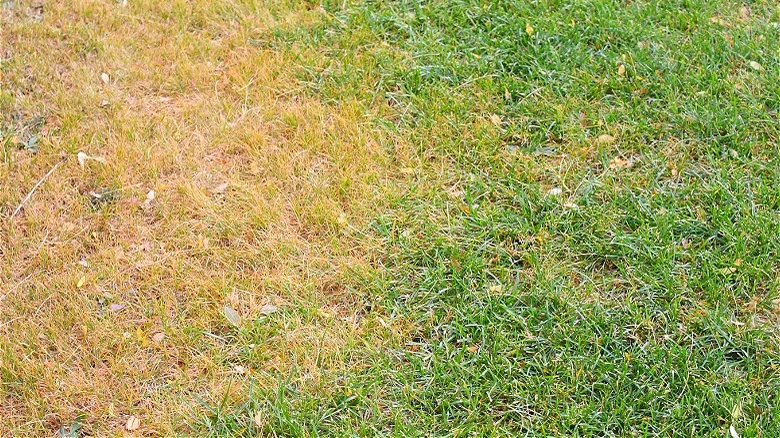
When water becomes scarce, not everything in the yard can be treated equally. Lawns may brown and go dormant, but they typically recover. Trees, on the other hand, represent years, sometimes decades, of growth, and once they decline, they’re much harder to replace.
If you’re adjusting your water use this summer, make trees your top priority.
Rethink how you water
The most common mistake homeowners make is watering too lightly and too often. While that might keep the surface soil damp, it doesn’t reach the deeper roots where trees actually draw most of their water.
Trees benefit from deep, infrequent watering. A slow soak that penetrates well into the soil encourages roots to grow downward, making the tree more resilient during dry periods. A hose set to a slow trickle, a soaker hose, or a drip system all work well for this approach.
For newly planted trees, aim to water once or twice a week during peak heat. Established trees can typically be watered every 7 to 10 days, depending on conditions.
Let the soil guide you
Rather than sticking to a rigid schedule, check the soil before you water. Dig down a few inches near the base of the tree. If the soil feels dry, it’s time to water. If it’s still moist, you can wait. This simple habit helps prevent both under-watering and overwatering.
Use mulch to your advantage
Mulch is one of the most effective, and underused, tools for conserving water in the landscape.
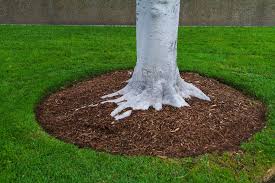
A two- to four-inch layer of wood mulch around the base of a tree helps retain soil moisture, regulate temperature, and reduce evaporation. Spread it out in a wide ring, ideally extending toward the edge of the canopy.
Just be sure to keep mulch a few inches away from the trunk. Piling it up against the bark can lead to rot and pest issues.
Watch for signs of stress
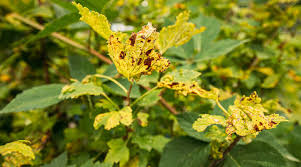
Trees don’t always show stress as obviously as other plants, but there are warning signs to look for. Leaves may begin to yellow or brown at the edges, the canopy can thin, or foliage may appear dull and brittle.
These symptoms often develop gradually, especially during extended dry periods. Catching them early gives you the best chance to adjust your watering and prevent long-term damage.
Give young trees extra attention
Trees planted within the last couple of years are still establishing their root systems, which makes them more vulnerable to heat and drought.
They’ll need more frequent watering and closer monitoring throughout the summer. Consistent care during these early years is one of the best investments you can make in a tree’s long-term health.
Time it right
When you water matters almost as much as how you water. Early morning is the most efficient time, allowing moisture to soak into the soil before the heat of the day causes it to evaporate. Evening watering is a good alternative if mornings aren’t practical.
Midday watering, by contrast, tends to waste water and deliver less benefit to the tree.
A more resilient approach to landscaping
Caring for trees during a dry year often requires a shift in expectations. Instead of aiming for a perfectly green yard, the goal becomes a landscape that can withstand Utah’s climate with less water and less stress.
That may mean allowing lawns to go slightly dormant, watering fewer plants more effectively, and focusing attention where it matters most.
Because while grass can recover in a matter of weeks, a tree represents years of growth; once it’s lost, it can’t be replaced overnight.
With thoughtful care, your trees can continue to provide shade, beauty, and cooling benefits throughout even the hottest summers.
Checkout our Outdoor Tips section to learn more about changes you can make to conserve water and make your landscape fit for Utah.