It’s easy to think watering your lawn is just about turning on the sprinklers and letting them run. But timing matters more than most people realize. In a dry climate like Utah’s, when you water can make a noticeable difference in both lawn health and water use.
Mornings are best
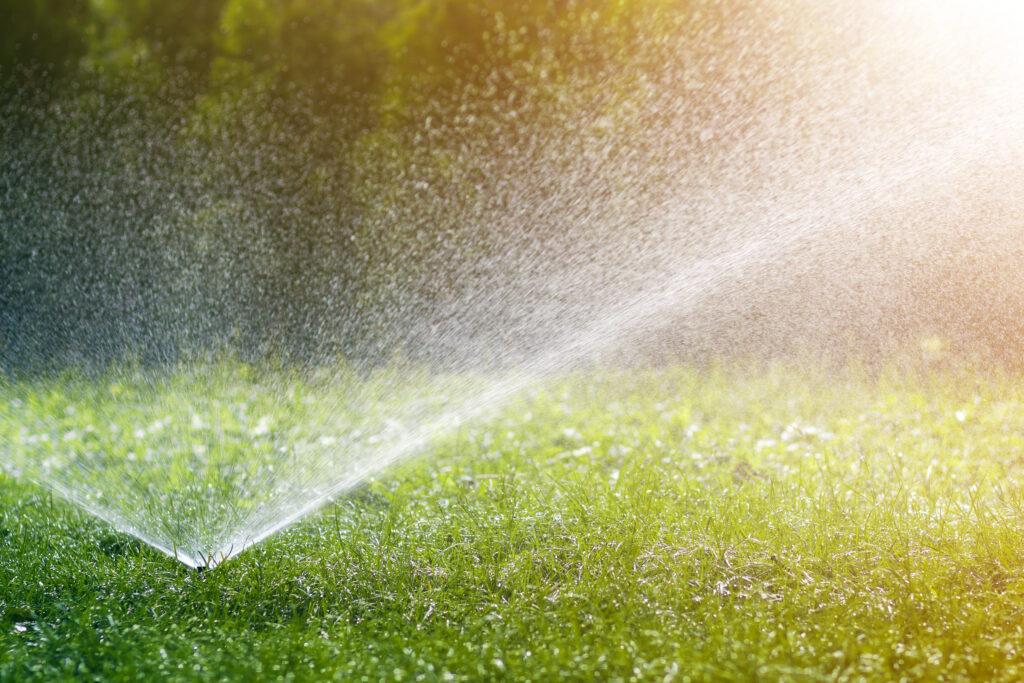
The ideal time to water your lawn is early in the morning, before 10 a.m. During these cooler hours, water has time to soak into the soil and reach the roots where it’s needed most. There is also less wind and lower temperatures, which means less water is lost to evaporation.
Watering in the middle of the day is much less effective. Heat and sun can cause a significant portion of that water to evaporate before it ever reaches the roots.
Evenings can cause problems
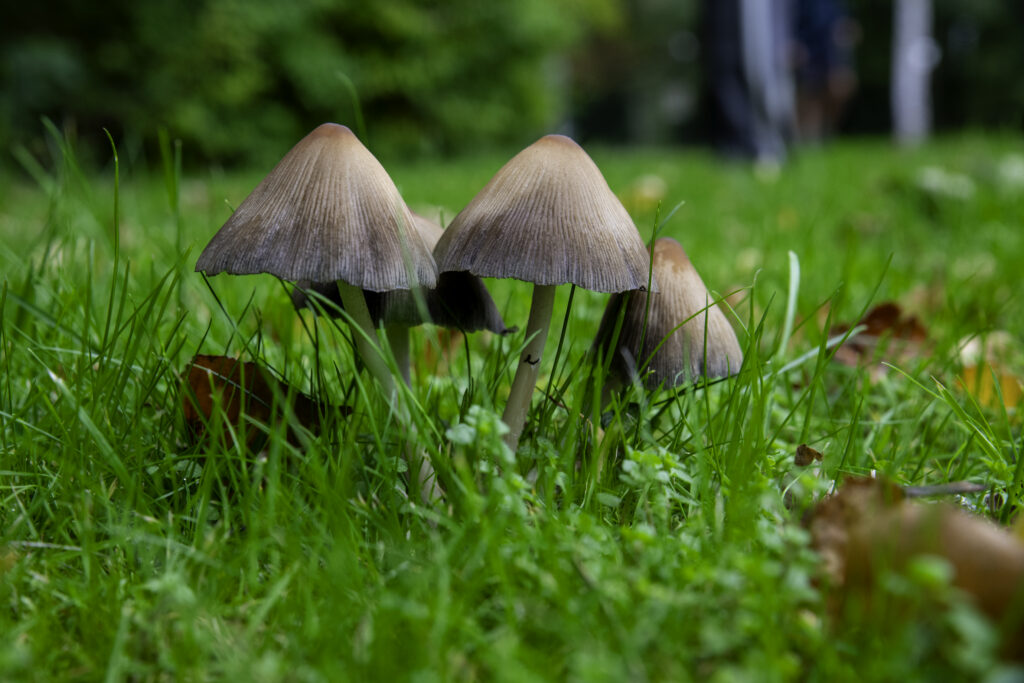
Watering at night might seem convenient, but it can leave grass wet for too long. When moisture sits on the lawn overnight, it creates the perfect conditions for disease and fungal growth.
If mornings are not an option, late afternoon can work as a backup. Just make sure there is enough time for the grass to dry before nightfall.
Water deeper, not more often
Healthy lawns depend on strong root systems. The best way to encourage that is by watering deeply and less frequently.
Aim to moisten the soil about 6 to 8 inches deep. This helps roots grow downward, making your lawn more resilient during heat and drought. Shallow, frequent watering keeps roots near the surface, where they dry out faster.
Most lawns only need about 1 to 1.5 inches of water per week, including any rainfall.
A little brown is not a bad thing
Grass is tougher than it looks. During hot, dry periods, it can go dormant and turn brown as a way to conserve water. This is a natural response, not a sign that your lawn is dying.
Letting your lawn go slightly dormant during peak heat can reduce water use without causing long-term harm.
Make your watering more efficient
Small changes in timing and technique can lead to meaningful water savings. Watering in the morning, adjusting how often you irrigate, and avoiding waste all add up over the course of a season.
There are several programs available that offer resources and incentives to help homeowners improve irrigation efficiency, from upgrading equipment to dialing in better watering schedules.
Getting the timing right is one of the simplest ways to use less water while still maintaining a healthy lawn.